
Bathroom renovations start in showrooms and on Pinterest, which is understandable — those are the parts you look at afterwards. But the decisions that determine what the project costs and how well it works are made earlier, and once the walls are closed none of them is visible.
The single biggest cost driver: does anything move?
Fixtures staying where they are is the cheapest version by a wide margin. Existing drains and supplies are reused, the walls come open only where needed, and the work is contained.
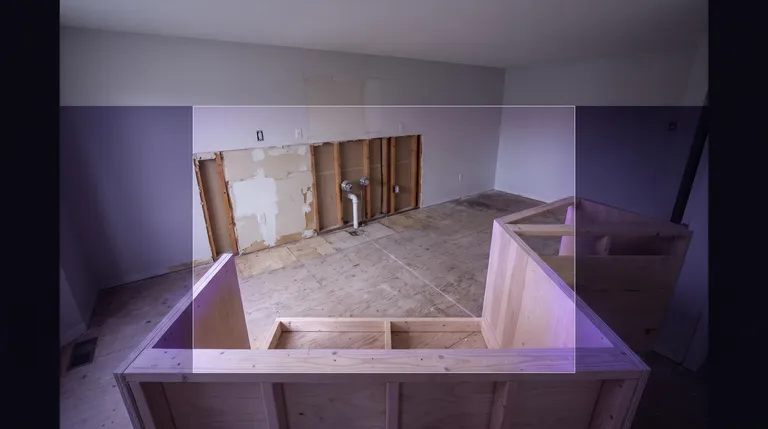
Fixtures moving is a different project. Every relocation means new supply lines, and — more importantly — new drainage. Drains rely on gravity and need correct fall, so moving a drain is constrained by what is beneath the floor. Moving a sink a short distance along the same wall is usually straightforward. Moving a toilet is the hardest of the three, because the drain is the largest and the least forgiving.
A full layout change means the room's plumbing is designed again from scratch.
The useful way to think about it: you are not paying for the distance a fixture moves, you are paying for what has to be opened and rebuilt to make the drainage work.
What is under the floor decides a great deal
A bathroom over an unfinished basement or a crawlspace is the easy case — drains can be rerouted from below with the ceiling opened.
A bathroom over a finished ceiling means opening that ceiling, which means repairing it. A bathroom on a concrete slab is the hardest case, because moving a drain means cutting concrete.
If you are choosing between two possible layouts, this is the thing worth asking about first. It frequently changes which layout is sensible.
Venting, which nobody thinks about
Every fixture needs drainage and every drain needs venting — a path for air, so water can flow rather than gurgling and pulling traps dry.
Relocating a fixture means the venting has to work in its new position, and that is often the constraint that makes a plan more complicated than it looked. It is also the thing most likely to be got wrong in unpermitted work done by someone who understood the drain but not the air.
If a bathroom you have inherited gurgles, smells occasionally, or has a trap that dries out, venting is where to look.
Waterproofing is the part that fails later
Behind the tile in a shower is a waterproofing system, and it is what stands between your shower and the framing. Tile is not waterproof. Grout is not waterproof.
This is where cheap bathroom work goes wrong, and it goes wrong invisibly — for years, until someone opens a wall and finds rot. If you are getting quotes, ask specifically what waterproofing system is being used and how the joints and the floor-to-wall transition are handled. A contractor who answers that clearly is telling you something useful about their standard of work.
Do the invisible work while it is open
Old supply lines, no shutoff valves, undersized drains, a bathroom fan that vents into an attic instead of outside — all of these are cheap to fix while the room is open and expensive afterwards.
The bathroom fan is the one most often skipped and most often regretted. Bathroom mould in this climate is a ventilation problem, and a fan that is undersized or vents into a roof space rather than out of the building is the cause of it.
Order of work
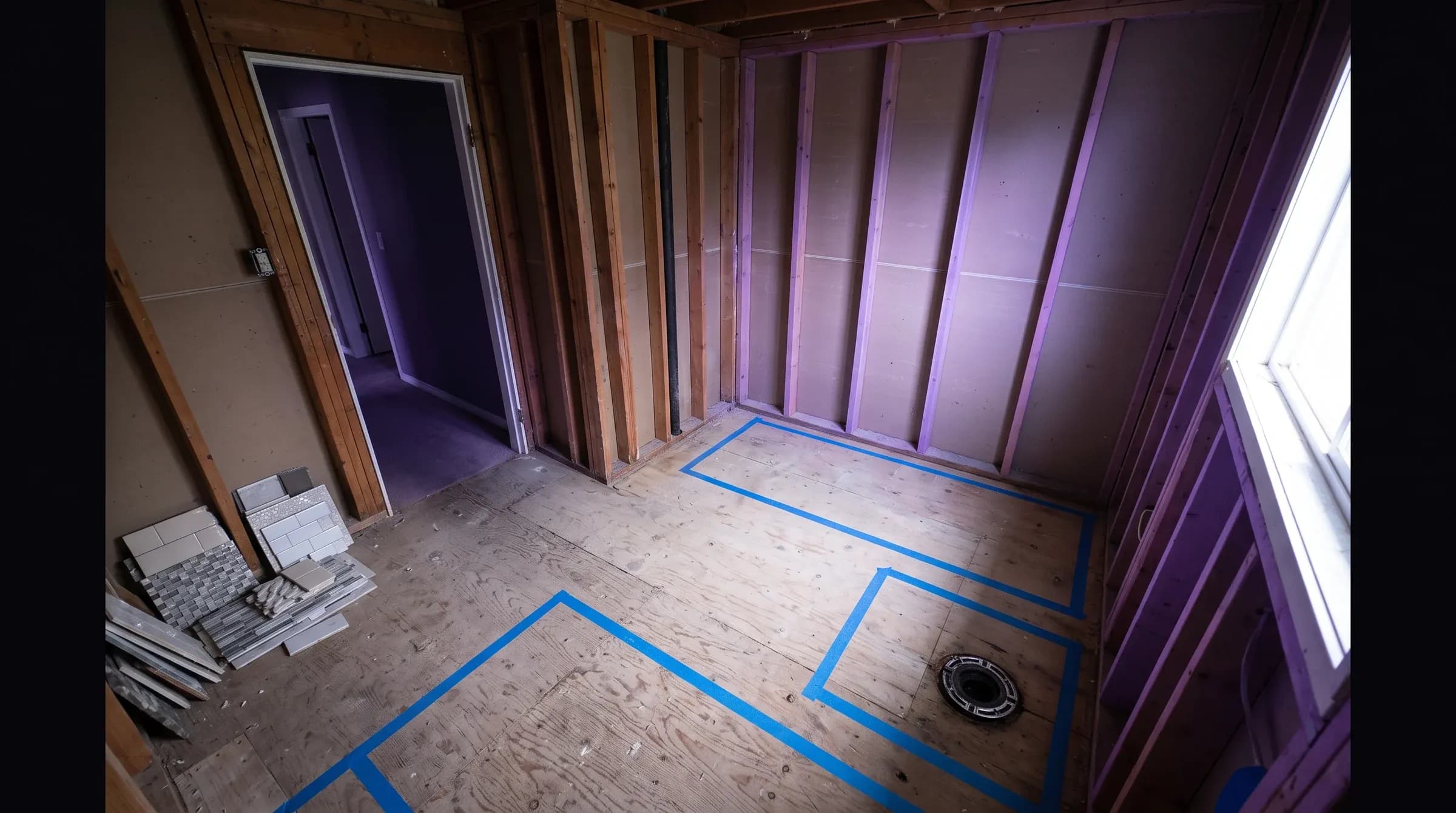
Plumbing rough-in happens early, before walls close. Inspections happen at that stage. Fixtures go in near the end.
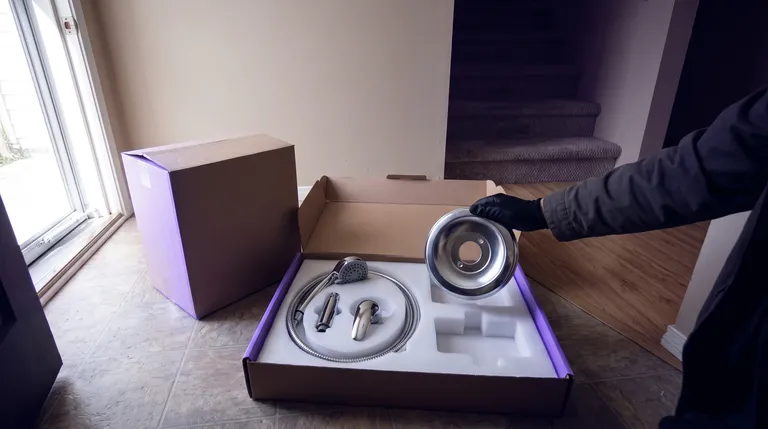
Which means fixture decisions have to be made much earlier than people expect — the rough-in has to be positioned for the specific toilet, the specific vanity, the specific shower valve. Choosing fixtures after the walls are closed means either changing your choice or opening walls again.
Buy or at least specify the fixtures before rough-in. This is the single most common cause of delay in a bathroom renovation.
Bathroom renovations that alter plumbing require permits and inspection in Metro Vancouver municipalities, with inspection at rough-in before walls are closed. We pull them as part of the work.
The sequence question
Plumbing, electrical, tiling and finishing all have to happen in an order, and a bathroom is a small room where trades cannot easily work at once. Delays compound, because each trade waits for the last.
Realistic scheduling matters more in bathrooms than almost anywhere else in a house, particularly if it is the only bathroom.
Vancouver, Burnaby, Richmond, Coquitlam, Port Coquitlam, New Westminster. 604-865-7979.
Related: Bathroom renovation plumbing · Behind the shower wall · Fixture supply and installation