
Most drain problems are solved with a cable machine — a snake. It is fast, it is inexpensive, and for a hair clog or a single obstruction it is the right tool.
There is a second method that gets used when snaking keeps not being enough, and the difference between them is worth understanding, because it explains why some drains keep coming back.
What a snake does
A rotating cable is fed down the line until it reaches the blockage, and a cutting head breaks through it. Water flows again, immediately and obviously.
What it has done is make a passage through the obstruction. On a solid clog — a toy, a mat of hair, a single root intrusion — that is often the whole job.
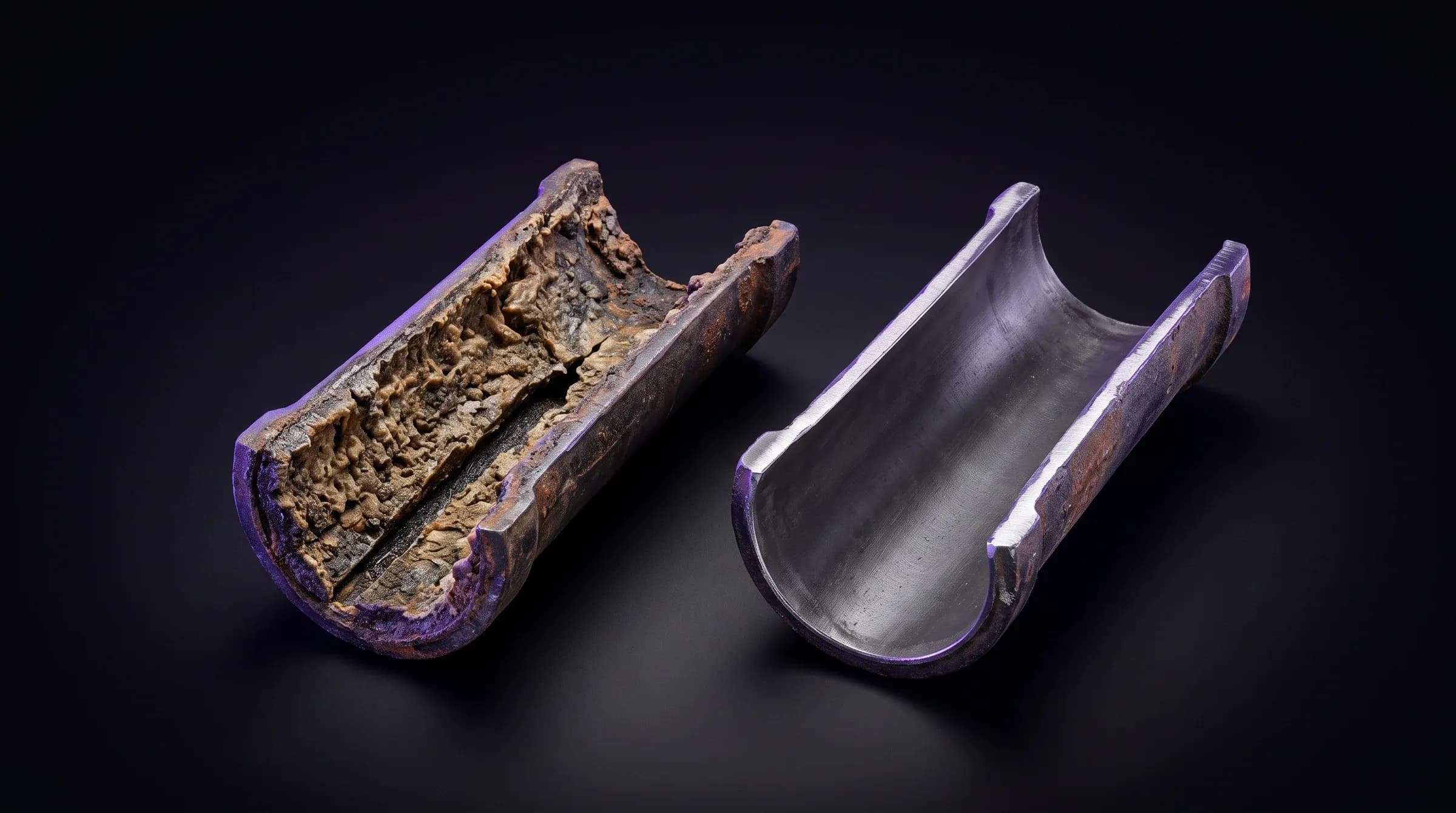
What it has not done is clean the pipe. If the line is coated with grease or scale along its length, the snake bores through the middle and leaves the coating on the wall. Flow returns, the coating is still there, and it re-narrows.
That is why a snaked kitchen line can be back in a few months. The blockage was cleared; the cause was not.
What jetting does
A high-pressure hose with a specialised nozzle is fed into the line. The nozzle directs water backwards at high pressure, which both propels the hose forward and scours the inside wall of the pipe as it travels.
The result is a pipe cleaned back toward its original diameter — grease, scale, sludge and root hair removed from the wall rather than pierced. On a line whose problem is accumulation, it is a fundamentally different outcome.
Different nozzles suit different problems: some are shaped for cutting roots, some for degreasing, some for flushing debris out of a line.
Where it is the right answer
Kitchen and restaurant lines. Grease is a coating problem by definition, and jetting is the tool for coatings. For commercial kitchens it is routine maintenance rather than a repair.
Recurring blockages where snaking works and does not last.
Root intrusion, where fine roots have entered through joints and formed a mass. Jetting cuts and flushes them. It does not fix the entry point — the roots return — but it restores the line and, done on a schedule, keeps ahead of them.
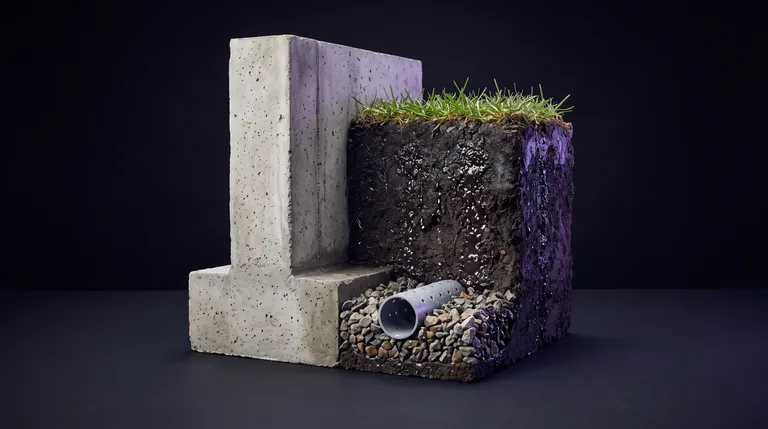
Sludge in long horizontal runs, including perimeter drainage, where sediment settles over years.
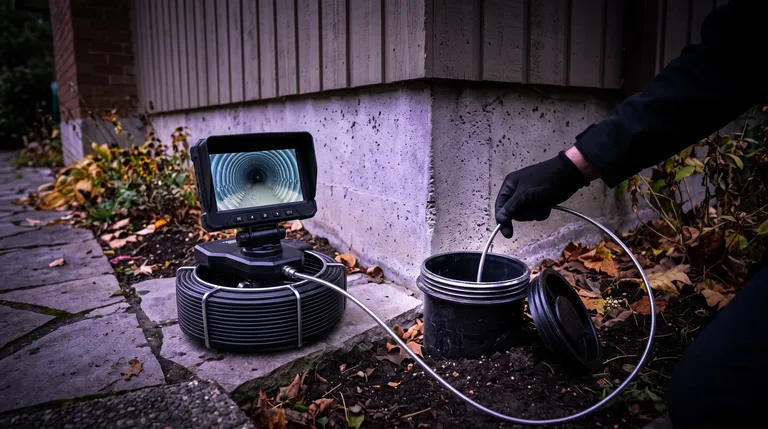
Before a repair decision. A line full of debris cannot be assessed properly. Cleaning it first, then running a camera, gives you an honest picture of the pipe rather than a picture of what is in it.
When it is not the right answer
This matters, and a contractor who does not raise it is not being straight with you.
Jetting puts pressure into a pipe. If the pipe is already compromised — badly corroded, cracked, collapsing, or an old and fragile material — jetting can make it worse. A line that is structurally failing needs to be assessed first, not cleaned aggressively.
Which is why the honest sequence on an unknown line is: camera first, then decide. If the camera shows a sound pipe with a dirty wall, jetting is ideal. If it shows a pipe that is failing, cleaning it is not the conversation you should be having.
What it is like on the day
Access is through a cleanout where one exists. Where one does not, gaining access is part of the job — and if your property has no cleanout, installing one is worth considering, because it makes every future visit simpler and cheaper.
It is wet work, and the debris flushed out has to go somewhere. On a well-run job that is managed and cleaned up.
A camera pass afterwards is worth asking for. It shows you the pipe as it now is, which is both a check on the work and a baseline for next time.
For commercial kitchens
If you run a kitchen, the useful frame is that grease lines are a maintenance item, not a repair item. A scheduled interval — set from how your line actually loads, which a camera can tell you — is cheaper and far less disruptive than an emergency during service.
Vancouver, Burnaby, Richmond, Coquitlam, Port Coquitlam, New Westminster. 604-865-7979.
Related: Hydro jetting · Drain cleaning and unclogging · Drain camera inspection