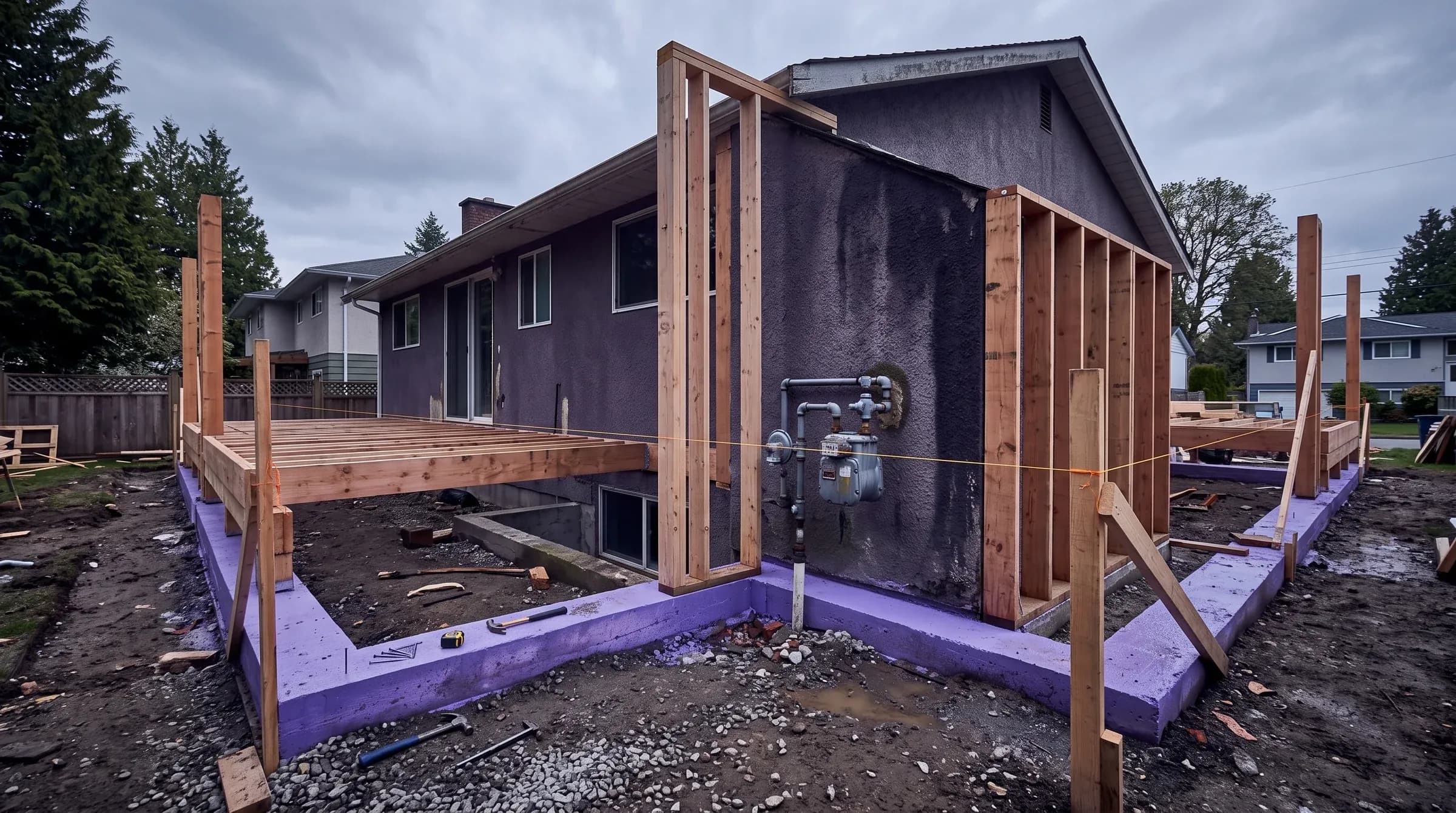

Gas meter relocation is not something anyone sets out to do. It comes up as a consequence of something else — a renovation, an addition, a landscaping plan, a deck that would enclose the meter.
The thing worth understanding early is that it involves two parties: the gas utility, and a licensed gas fitting contractor. Each owns a different part, and the coordination between them is what determines the timeline.
When it comes up
An addition or extension that would put the meter inside the new footprint, or too close to a new window, door or opening.
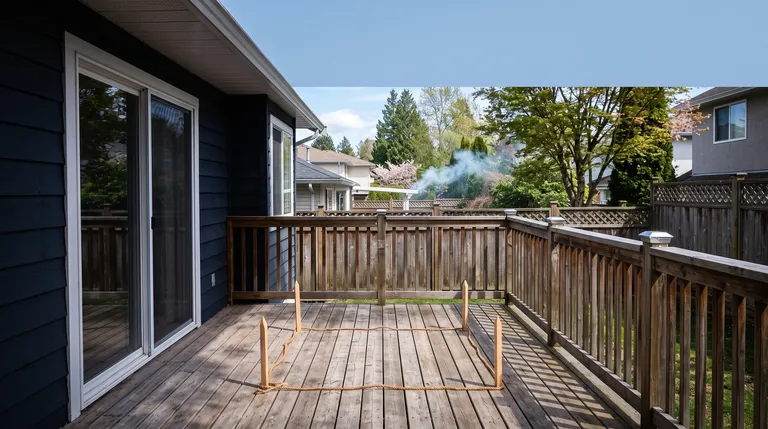
A deck or patio that would enclose the meter or block access to it. Meters need clearance and they need to be reachable — for reading, for servicing, and for emergency shutoff.
Landscaping that would bury or obstruct it, including planting that will grow into it.
A driveway or parking change that would put vehicles where the meter is. Meters get hit, and a struck meter is a serious event.
Aesthetics. A meter on a prominent front elevation is a common reason, particularly during a facade renovation.
Access problems on an existing installation — a meter that ended up in an awkward or non-compliant position, sometimes because the house changed around it.
Who does what
The utility owns the meter and the service line up to it. Moving the meter itself, and any change to the service, is theirs. They have their own process, their own requirements about where a meter may go, and their own schedule.
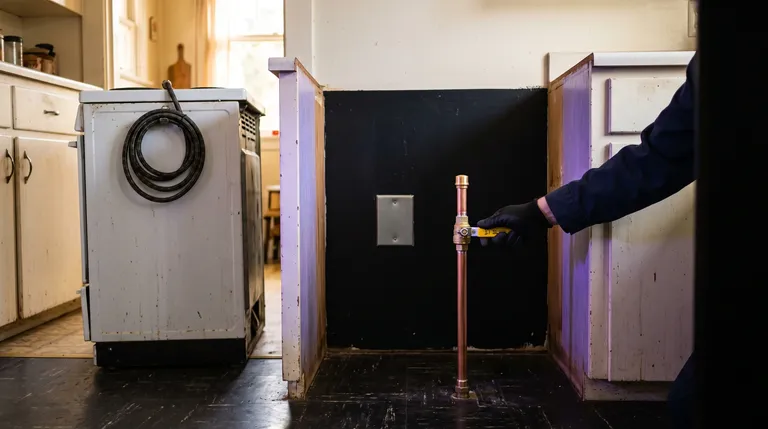
The gas fitting contractor — us — owns the house-side piping: reworking the line from the meter into the building, repositioning it to the new location, pressure testing, and reconnecting.
You are the one coordinating between them, or engaging someone who does.
The practical consequence is that the utility's timeline usually drives the project. Their scheduling is not something a contractor can accelerate, and it is frequently longer than people assume.
Start this early. If a meter relocation is in your renovation plan, it should be one of the first things initiated, not one of the last. We have seen otherwise well-run projects held up entirely by a meter that could not be moved in time.
Where a meter is allowed to go
The utility sets requirements: clearance from windows, doors and other openings; clearance from ignition sources and electrical equipment; protection from vehicles; accessibility for reading and servicing; and clearance from what is above it, including anything that could shed snow or ice onto it.
Those requirements mean the meter cannot simply go where you would prefer aesthetically. The workable positions are determined first, and then you choose among them.
The regulator
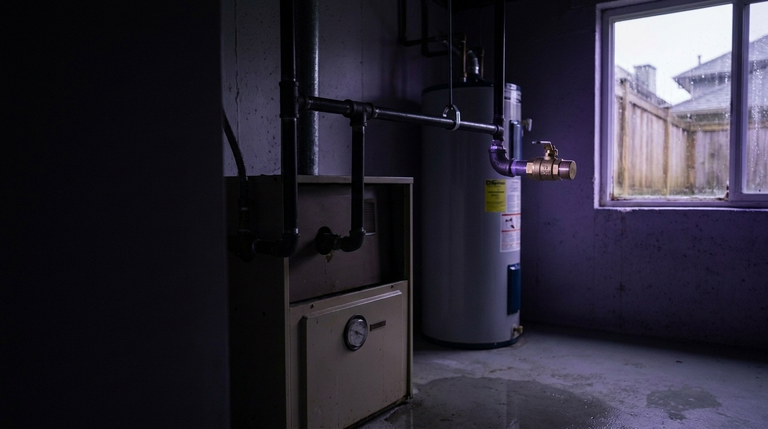
The regulator reduces the incoming pressure to what your house's piping is designed for, and it sits at or near the meter. It has a vent that must remain clear and correctly positioned.
Regulators also fail with age, and a relocation is a natural moment to deal with one that is old. If yours is weeping, making noise, or your appliances have been behaving oddly in ways that suggest a supply issue, mention it.
What happens on the house side
The line from the meter into the building is reworked to the new position. Depending on the distance and the layout that can be modest or substantial, and it may mean opening walls.
It is also frequently the moment when the whole system gets assessed properly — because someone qualified is looking at all of it, often for the first time in years. If capacity was marginal, or an appliance was added onto a line that was never resized, this is when it surfaces.
That is a good thing, though it is not always a welcome one mid-renovation.
Permits and inspection apply, and gas fitting is licensed work in British Columbia. The reworked line is pressure tested before the system is put back into service.
The gas is off while it happens
Which means no heat, no hot water and no cooking on gas for the duration. Worth planning around, particularly in winter and particularly if your water heater and furnace are both gas.
Scheduling this work outside the heating season is easier on everyone.
If it is in your plans
Tell us early — before the drawings are final if possible. Where the meter can go sometimes affects the design, and it is much better to know that at the drawing stage than after framing.
Vancouver, Burnaby, Richmond, Coquitlam, Port Coquitlam, New Westminster. 604-865-7979.
Related: Gas meter and regulator relocation · Gas line installation · Gas permits and safety inspections